
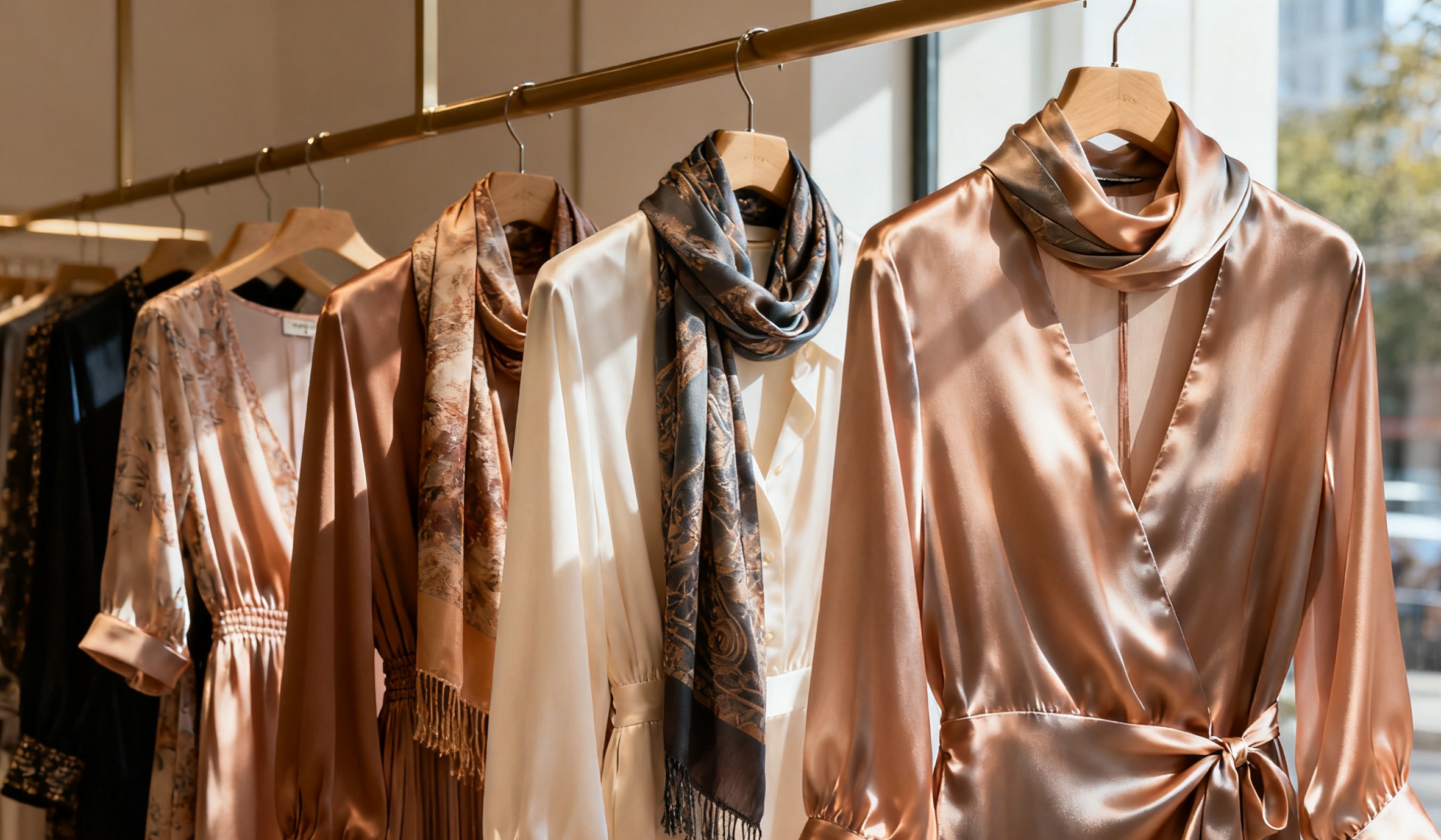
Opportunities And Challenges Of Sustainable Fabric Market
First, the scale of accelerated expansion
The global sustainable clothing market scale is rushing to the highland of $9.26 billion with an annual growth rate of 13.11%, and China consumers' preference for environmental protection materials such as cotton and linen has exceeded 32%.
Policy dividends were released simultaneously: EU carbon tariffs forced the supply chain to upgrade, and China Customs opened a 24-hour green channel for environmentally-friendly fabrics.
Speed-up in industry consolidation: Leading enterprises have tasted the sweetness-Jiangnan Buyi maintains a high gross profit margin of 65.1% with its sustainable product line, and SHEIN saves 200,000 cubic meters of water through the inventory recycling plan, which proves the business logic of "environmental protection is premium".
Second, the two sides of technological innovation
Bio-based revolution: Solona fiber made by corn fermentation has both wrinkle resistance and degradability, and bamboo fiber blended fabric achieves antibacterial function through double jacquard.
Recycling black technology: the plastic bottle is converted into recycled fiber with air permeability increased by 47% by enzymatic hydrolysis technology, and the yield of nylon regenerated by chemical method is 92%.
However, the pain points are equally sharp: the cost of water-free plant dyeing process remains high, and the performance of recycled polyester fiber declines after repeated processing. Small and medium-sized enterprises are faced with the dilemma of "not dying in transformation, but dying in transformation".
Although 68% of Generation Z claims to support environmental fashion, only 36.9% are actually willing to pay a premium. "greenwashing Marketing" is even worse-a fast fashion brand was sued by a class action lawsuit for false environmental protection propaganda, which exposed the chronic disease of the industry with lack of standards. The solution lies in building a transparent traceability system: Wanshili Silk records the whole process of yam dyeing through blockchain technology, so that consumers can see the carbon footprint by scanning the code.
China's subsidy model for low-carbon soil curing agent technology can be copied to the field of fabrics; The cold-pad-batch washing process can save 14.2 tons of water per ton of fabric, and the high-capacity polymerization spinning technology can reduce the cost of chemical fiber. Environmental protection attributes are transformed into perceptual values such as "antibacterial and skin-friendly" and "intelligent temperature control", such as the self-cleaning function of graphene blended fabrics.
There are no bystanders in this green long March. When the upstream and downstream of the industrial chain hold their fingers into fists, and when consumers are willing to pay for the earth, sustainable fabrics can truly move from concept shelves to mainstream wardrobes.
Choosing summer clothes according to fabrics: a guide to staying cool and fashionable
Cotton and linen fabric: the smartest choice in summer
Related Article

