
The Future of Fashion: 2025-2026 Trend Forecast
1. Sustainable Innovation Takes Center Stage
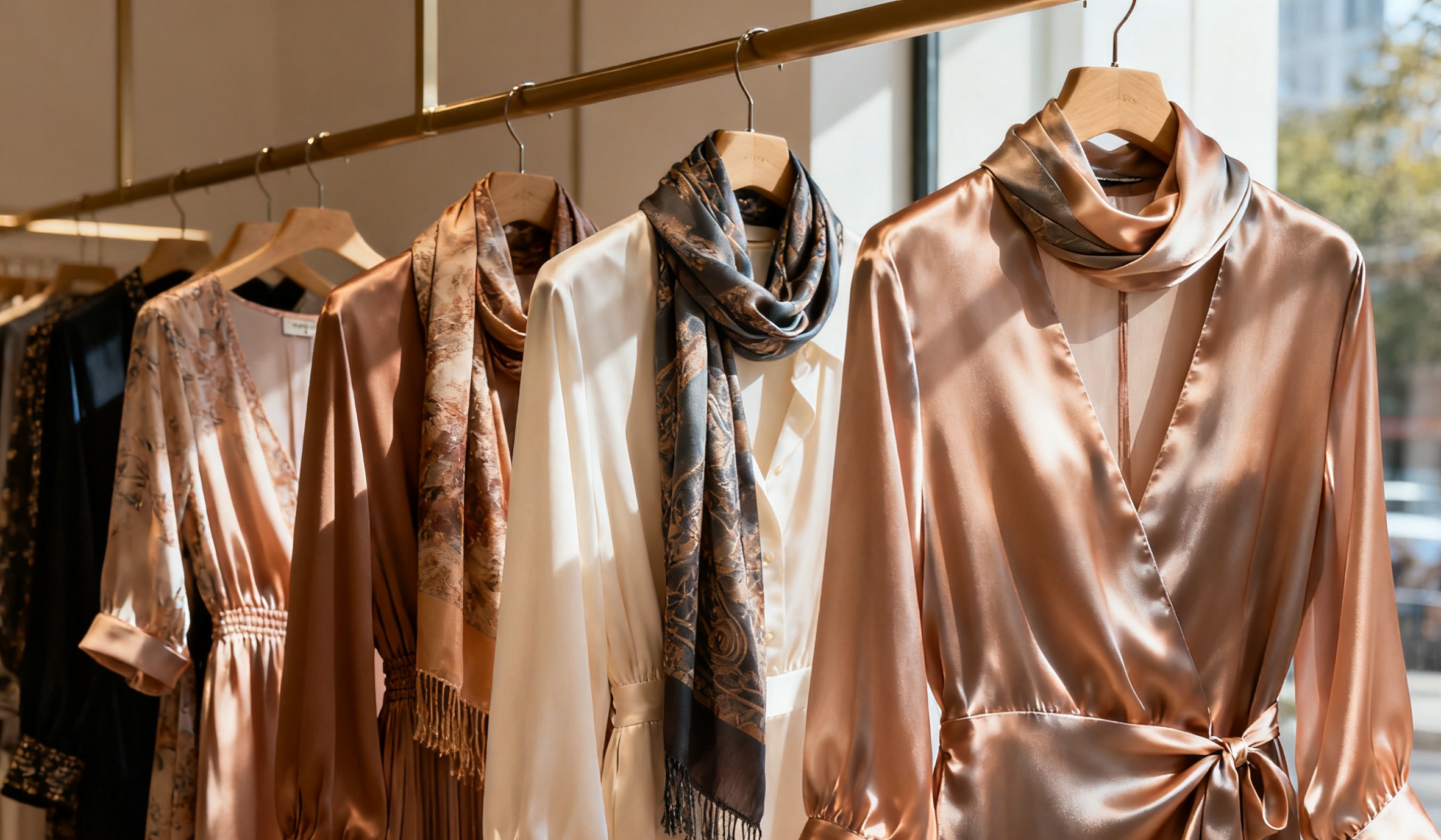
By 2025, sustainability will evolve from a niche preference to a non-negotiable industry standard. Expect "circular fashion" to dominate, with brands prioritizing biodegradable textiles (e.g., mushroom leather, algae-based dyes) and zero-waste production techniques. Notably, rental and repair services will grow by 40% (McKinsey 2024), reflecting consumer demand for longevity over disposability. Color palettes will mirror eco-consciousness—earthy tones like "forest peat" and "sunbaked clay" will replace synthetic neons.
2. Tech-Infused Wearables Redefine Functionality
The merger of fashion and technology will accelerate, fueled by AI personalization and IoT integration. Smart fabrics with self-healing properties or temperature regulation (e.g., SolarEdge jackets) will hit mainstream markets. Augmented Reality (AR) fitting rooms will become ubiquitous, reducing returns by 30% (Statista 2025). Meanwhile, "phygital" accessories—like NFT-linked handbags—will blur physical and digital ownership, particularly among Gen Z.
3. Nostalgia Meets Futurism in Silhouettes
Designers will juxtapose retro aesthetics with avant-garde cuts. Think: 1980s power shoulders reimagined in liquid metallic fabrics, or Victorian corsetry fused with 3D-printed lattice structures. Y2K revivalism will persist but with a twist—low-rise jeans paired with holographic overlays. Key items include modular dresses (convertible hemlines) and "deconstructed tailoring" for gender-fluid appeal.
4. Cultural Hybridization and Inclusivity
Global influences will collide, driven by social media’s borderless creativity. African wax prints might merge with Japanese boro mending techniques, while modest fashion gains traction in Western markets. Size inclusivity will expand beyond tokenism—brands like Unspun will pioneer 3D body scanning for bespoke fits at scale. The mantra? "One shape doesn’t fit all."
The 2025-2026 fashion landscape will balance ethics with experimentation, tradition with disruption. As consumers prioritize purpose and personalization, adaptability will separate trendsetters from followers.
Fabric Procurement: What Buyers Prioritize in the Fashion Supply Chain
Let clothes always wear new wisdom
Related Article

