
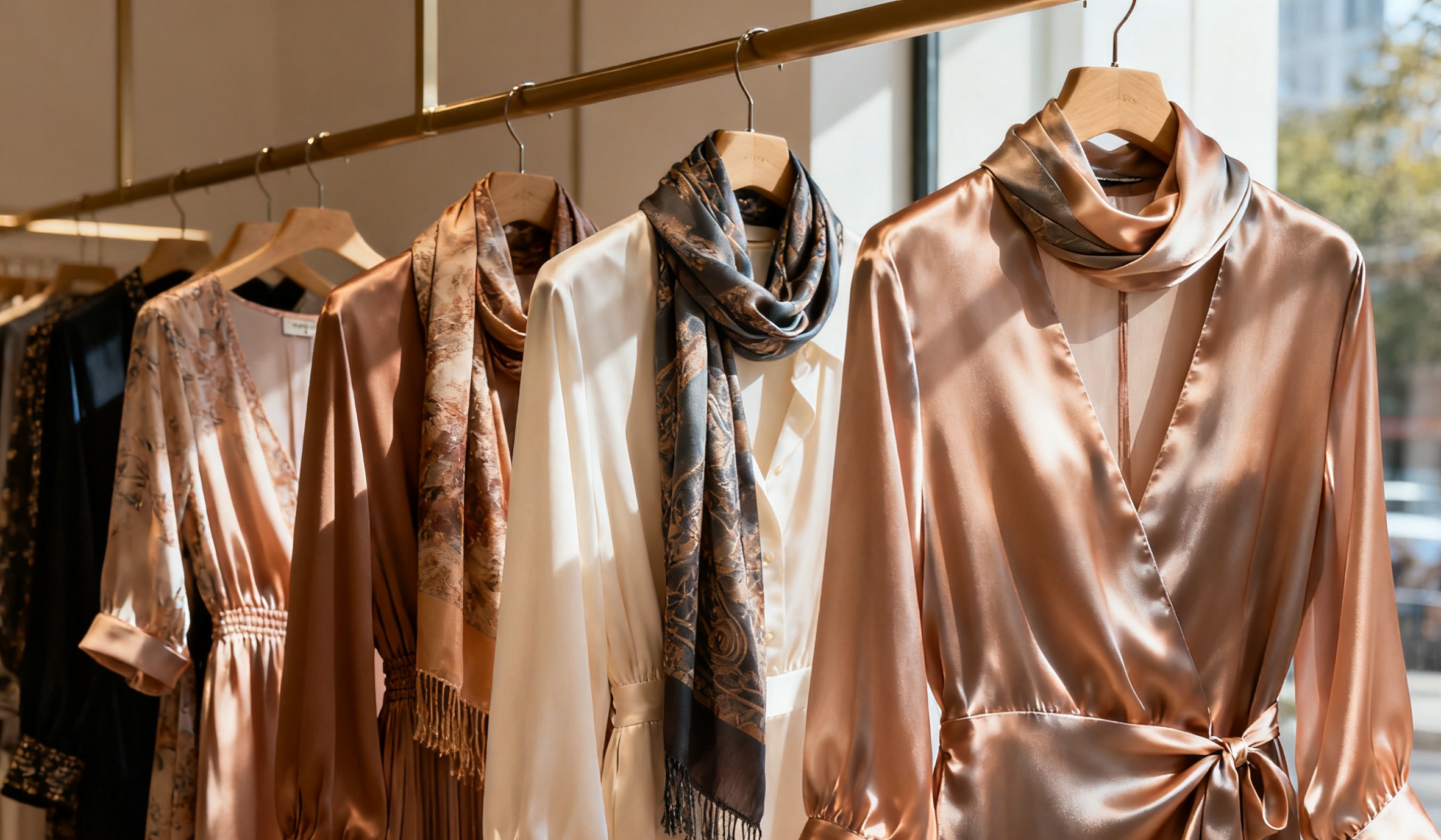
Satin Fabric: luxury luster and functional evolution through thousands of years
Satin, a fabric bearing the blending of eastern and western civilizations, was named after the silk trade in Quanzhou Port in the Middle Ages, and is still synonymous with luxury and elegance. Its unique satin luster comes from the satin weave-through the long floating thread structure of warp and weft yarns, the surface interweaving points are greatly reduced, forming a mirror-like smooth texture. From the "Zaitun satin" marveled by Arab businessmen to the innovation of chemical fiber and blending technology in modern textile industry, the evolution history of satin is just an epic of human pursuit of aesthetic feeling and practical balance.
Material innovation: from exclusive to popular. Traditional satin fabric takes mulberry silk as the core, and its high cost makes it the exclusive fabric for royal and religious dresses for a long time. With the popularization of polyester fiber, cotton-polyester blended fabric and other materials, the "luxury" attribute of satin has gradually faded. Modern satin fabrics are optimized by weaving methods such as five-satin and eight-satin, which not only retains luster, but also significantly improves wrinkle resistance and wear resistance. For example, the elastic satin with spandex not only continues the drape, but also endows the garment with excellent fit, which has become the new favorite of yoga pants and leisure suit.
Cross-border Scene: Infiltration from Clothing to Space Aesthetics The "highlight moment" of satin is not limited to the runway. In the field of clothing, its soft and skin-friendly characteristics are favored by high-end pajamas and underwear brands, while matte-treated slub satin is active in the national fashion clothing with retro texture. In the home field, satin bedding has become a symbol of quality life with its silky touch and breathability; High-density chemical fiber satin (such as 100D specification) has become the preferred material for hotel curtains and soft furniture through waterproof and antistatic finishing process.
Empowering Science and Technology: Double Upgrade of Function and Sustainability Contemporary textile technology further broadens the application boundary of satin. Functional treatments, such as antibacterial and ultraviolet protection, make satin materials adapt to outdoor sportswear and medical protective clothing; With the introduction of digital printing technology, digital satin will shine brilliantly in the fields of wedding dresses and art re-engraving. Under the trend of environmental protection, the combination of recycled polyester satin and plant dyeing process is redefining the connotation of "sustainable luxury".
Today, satin has developed from a single silk carrier to a fabric family covering dozens of sub-categories. Whether it is the cost-effective advantage of 75D chemical fiber satin or the creative design of elastic slub satin, its core has never changed-writing the poetry of fabrics with flowing luster and continuing the ingenuity of thousands of years with the power of science and technology.
The 5th China International Consumer Products Expo
HONGYE TRADE CO., LTD
Related Article

