
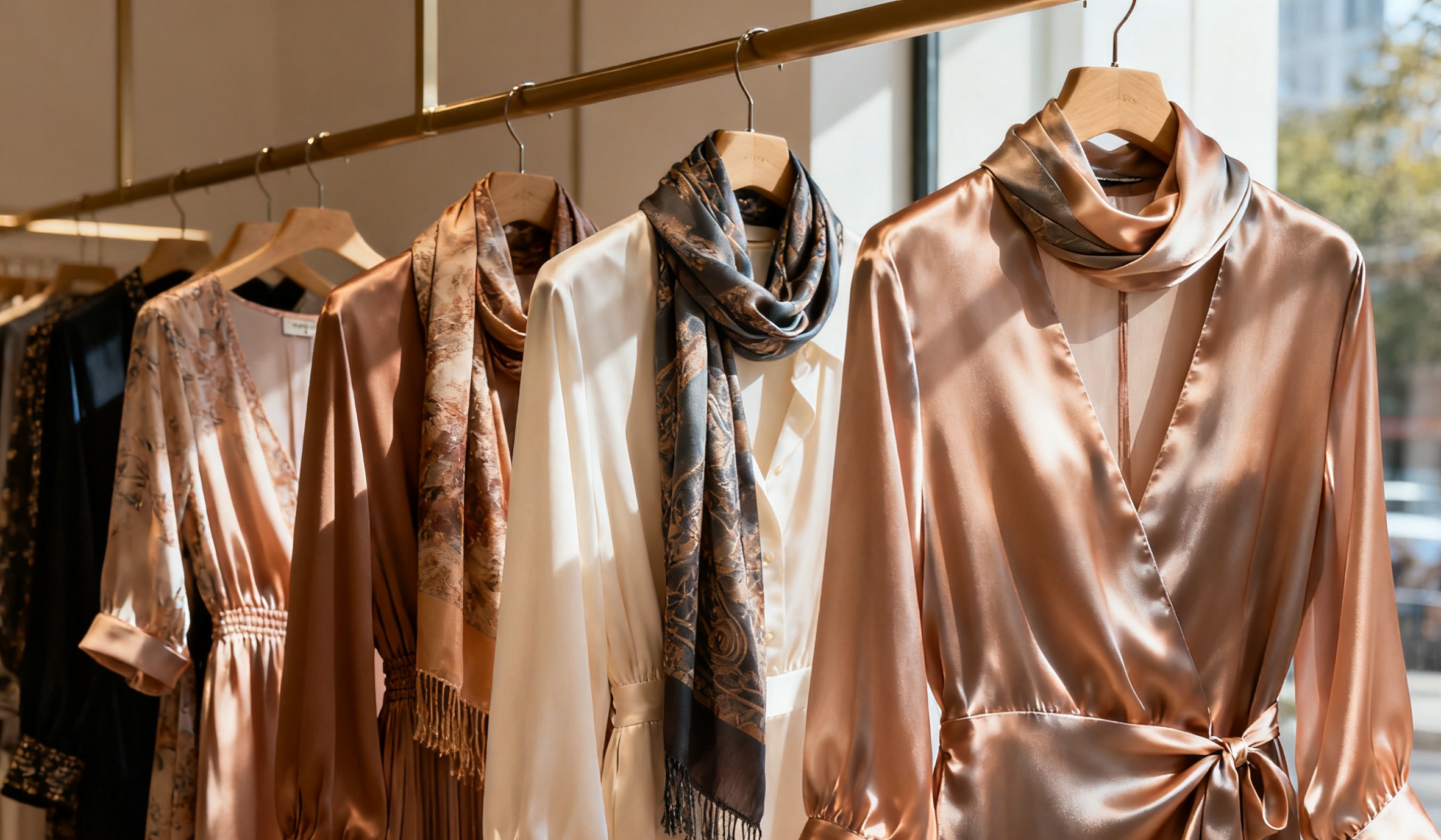
A comprehensive guide to fabrics: types, characteristics and applications
1. Natural fiber: eternal and breathable. Natural fibers from plants or animals are famous for their breathability and environmental protection.
Cotton: the most widely used natural fiber, cotton is soft, hypoallergenic and super absorbent. Its versatility makes it an ideal choice for T-shirts, bedding and medical textiles. However, traditional cotton planting consumes a lot of water, which promotes the demand for organic cotton (GOTS certification) in a sustainable way.
Flax: Flax is made of flax plant, which has excellent moisture absorption and perspiration performance and unique texture appearance. This is the most popular shirt and tablecloth in summer, but it wrinkles easily.
Wool: from sheep, wool has natural insulation, flame retardancy and biodegradability. Merino wool with superfine fiber is a good product for making high-grade knitwear, while thicker wool is suitable for winter coats.
Silk: produced by silkworms, silk is synonymous with luxury goods. Its smooth temperature-regulating texture is suitable for underwear, evening dresses and scarves, but it needs careful care.
2. Synthetic fibers: durability and innovation Synthetic fiber is made of petroleum polymer, which has excellent performance and affordable price.
Polyester fiber: polyester fiber, which dominates the textile market, is durable, wrinkle-resistant and quick-drying. Recycled polyester (rPET) made of plastic bottles is a sustainable substitute for sportswear and outdoor equipment.
Nylon: Nylon is famous for its strength and elasticity, and is the main material for stockings, swimsuits and parachutes. However, it is less breathable than natural fibers.
Acrylic fiber: usually used as wool substitute, acrylic fiber is light in weight and does not fade, but it is easy to pilling and generate static electricity.
3. Blended fabric: Blended fiber optimizes performance. For example, polyester cotton (65% polyester fiber, 35% cotton) is not easy to wrinkle and shrink, so it is an ideal choice for uniforms. Wool synthetic fiber blending improves the durability of suits and carpets and reduces the cost. Tencel (Lycel): A semi-synthetic fiber from wood pulp. Tencel provides silk-like softness by closed-loop production with environmental protection.
Whether designing haute couture collections or purchasing materials for mass production, understanding fabric science can make more sensible and responsible choices in rapidly changing industries.
Discover the Perfect Fabrics for Every Occasion at www.cnhongyes.com
New Chinese Style: Modern Elegance with Cultural Roots
Related Article

